
Brunei Designates 17,500+ Hectares for Industrial and Port Logistics Expansion
The civil infrastructure and construction sector is projected to expand at a 4.8% to 5.3% CAGR through 2031
(BRUNEI) Under Wawasan Brunei 2035, Brunei’s Ministry of Development has demarcated 17,526 hectares of state land for industrial, logistics, and mixed-use expansion. This land-banking initiative aims to reduce the Sultanate's hydrocarbon reliance and position Brunei as a primary transshipment node within the BIMP-EAGA trade corridor.
Of this allocation, 3,324 hectares are dedicated to maritime and freight transport networks, supporting the Muara Port expansion, heavy logistics hubs, and regional transport spines. To attract foreign capital, the government introduced an updated Government Land Lease Program offering long-term statutory leases. The initiative targets downstream processing, cold-chain distribution, and regional data centers along key intra-ASEAN and China-ASEAN maritime routes.
Market Baseline (2024–2025)
• GDP Contribution: Construction generated 2.1% to 2.4% of national real GDP, averaging BND 82 million to BND 98 million quarterly.
• Sector Growth: Contracted by -1.8% in 2024 before rebounding to +0.9% to +1.4% in 2025, driven by site preparation for industrial megaprojects.
• FDI Inflows: Rose to BND 219.8 million in 2025 from BND 34.5 million in 2024, led by Chinese investment in petrochemicals and port operations, alongside regional capital from Singapore and Malaysia.
• Urbanization & Pipeline Value: Urbanization reached 79.4% (primarily in the Brunei-Muara district). Active public-private project pipelines and National Development Plan (RKN 12) commitments exceed BND 3.5 billion.
Development Forecast (2026–2031)
The civil infrastructure and construction sector is projected to expand at a 4.8% to 5.3% CAGR through 2031.
• Strategic Priorities: Deepening container berths at Muara Port; industrial expansion across Pulau Muara Besar (PMB) and Salambigar; utility-scale solar rollouts targeting 300+ MW by 2030; and widening freight highways toward Sarawak and Sabah border corridors.
• Catalysts & Risks: Sustained regional trade agreements (RCEP) and leasehold reforms serve as key growth drivers. However, structural fiscal deficits (10% to 13% of GDP), skilled labor shortages, and total reliance on imported steel and heavy equipment present persistent execution risks.
Key Flagship Projects
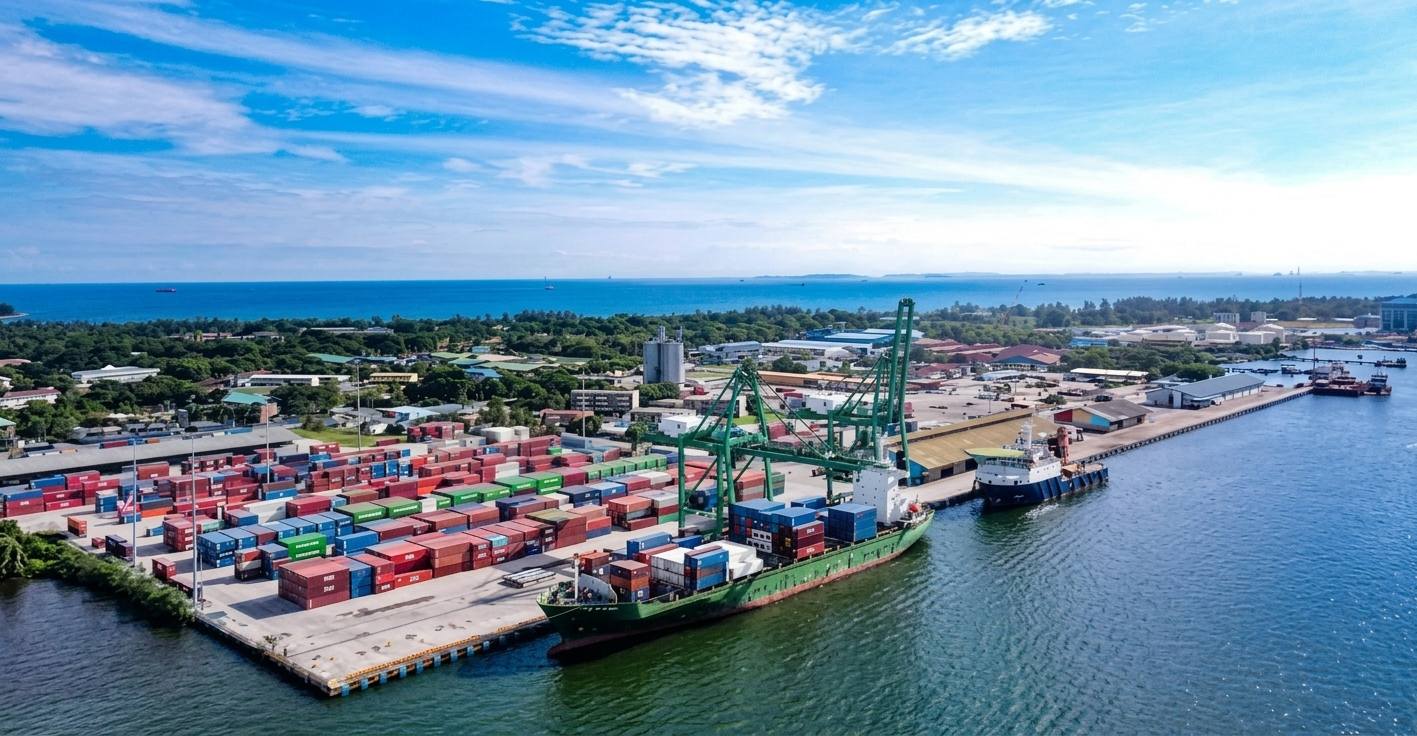
Muara Port Modernization Phase 2
• Type: Maritime Transport & Logistics | Status: Under Construction
• Key Metrics: Managed by Muara Port Company (Darussalam Assets and Beibu Gulf Port Group), this project adds a 250-meter container berth, dredges harbor depths to 13 meters for 30,000 DWT vessels, and establishes a 3.6-hectare Free Trade Zone. Procurement centers on ship-to-shore (STS) quay cranes, automated terminal systems, and marine-grade structural steel.
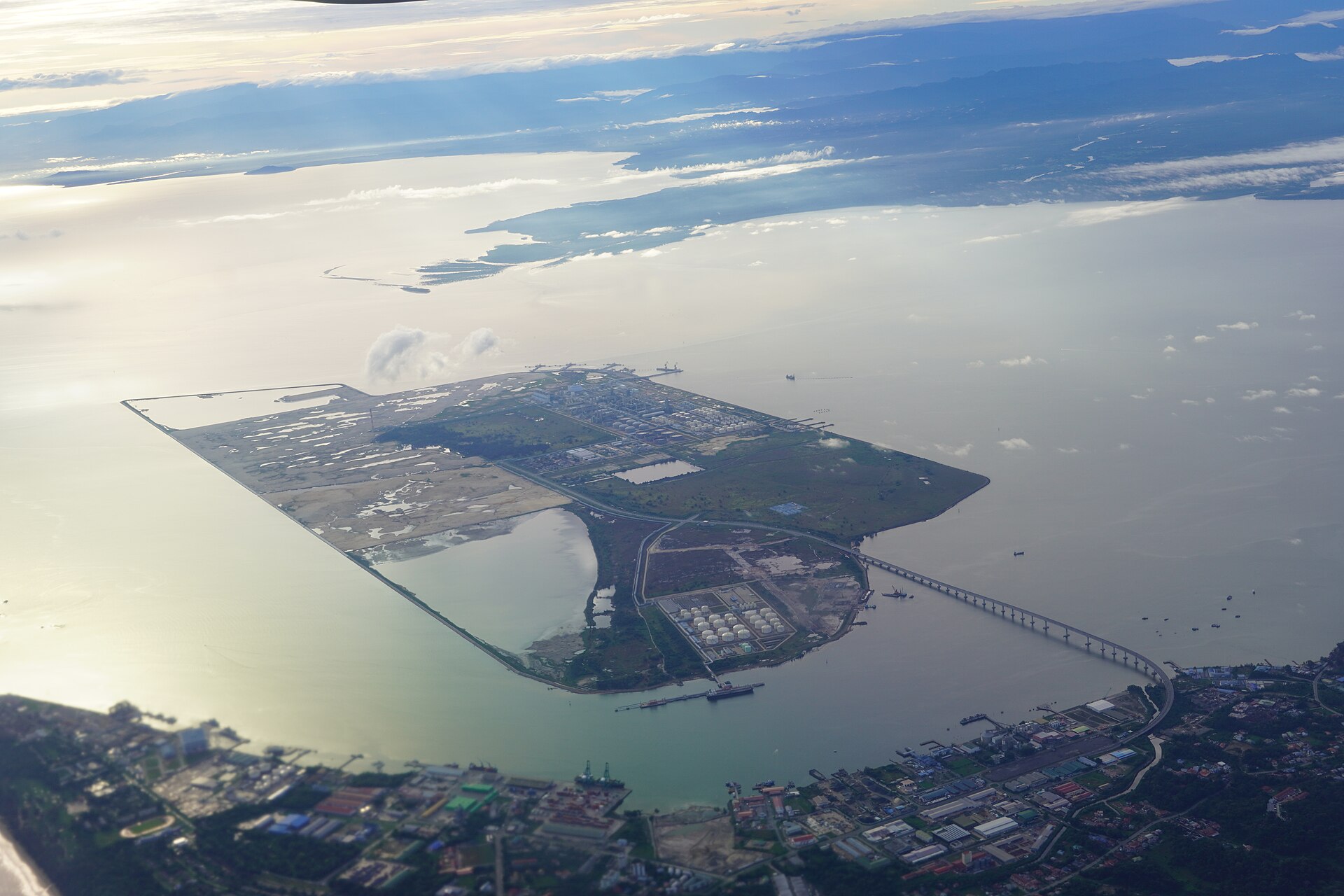
Pulau Muara Besar (PMB) Petrochemical Complex Phase 2
• Type: Industrial Downstream | Status: Under Construction
• Key Metrics: A US9BtoUS10B venture by Hengyi Industries covering a 955-hectare island site. It expands refining capacity by 14 million metric tons annually, adding ethylene and PTA cracking units. It requires massive procurement of high-pressure process vessels, specialized industrial alloys, desalination plants, and precast civil modules.
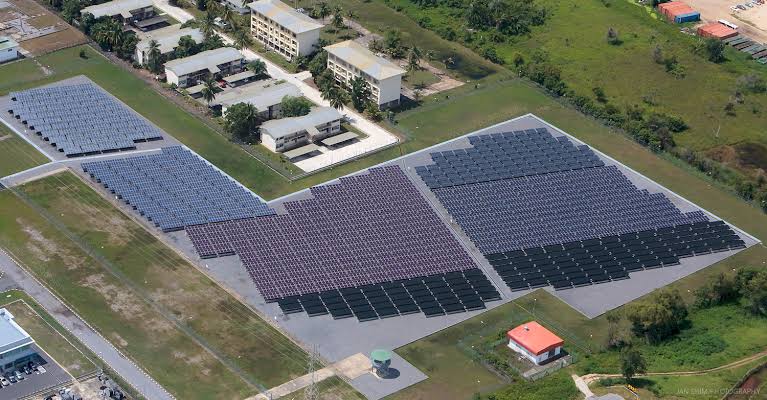
National Solar Utility Program
• Type: Renewable Energy | Status: Phased Delivery
• Key Metrics: Sovereign program targeting 200 MW to 300 MW of solar capacity by 2030, anchored by the 48 MWp PMB solar plant. Generates extensive balance-of-plant contracts for ground-mount tracking arrays, high-capacity inverter stations, and 66kV/132kV grid connection infrastructure.
Market Outlook
With sovereign budgets constrained, Brunei’s infrastructure pipeline relies increasingly on Public-Private Partnerships (PPPs), BOT concessions, and foreign equity syndications.
Because Brunei lacks primary domestic metallurgy, all rebar, structural steel, port machinery, and switchgear must be imported. In addition, new sustainability benchmarks favor suppliers of low-carbon cement, modular precast systems, and industrial effluent treatment solutions. Companies establishing local supply chains now will secure an early foothold in Northern Borneo’s expanding logistics gateway.
(Reported by BuildMartASEAN)