
Thursday, October 22, 2026 BUILDMART ASEAN — Your Premier Hub for Construction News, Resources & Suppliers
Follow Us
Southeast Asia skyline

ASEAN BUILDING NEWS

Tracking the latest construction trends, projects, and
industry updates across Southeast Asia.

Showing 1-6 of 10 articles
Special Report: Latest Developments in Laos' Construction Industry

Special Report: Latest Developments in Laos' Construction Industry

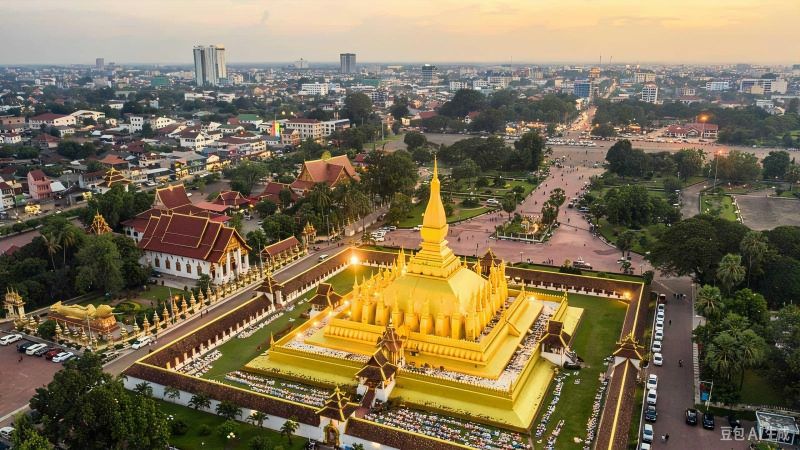
Chinese, Thai and Vietnamese enterprises are the core participants in local engineering construction (LAOS) From 2024 to 2025, Laos' construction sector maintained steady expansion. The construction-related GDP rose from 16.813 billion kip in 2023 to 17.675 billion kip in 2024, with an overall two-year growth rate of around ‌4.7%‌, accounting for about 31% of the national GDP, making it a core pillar driving infrastructure upgrading.
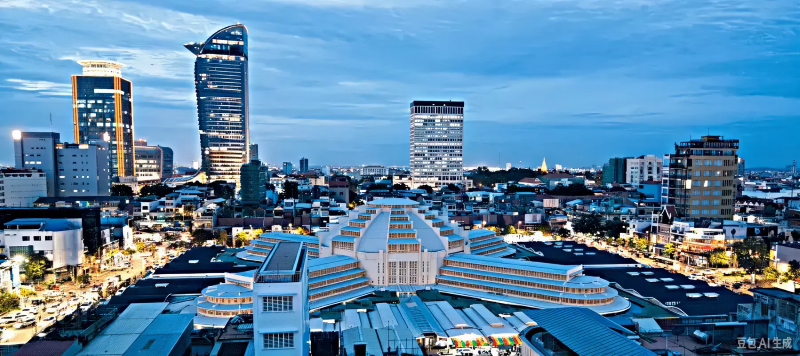
Cambodia's Construction Industry Enters Explosive Growth Period

Cambodia's Construction Industry Enters Explosive Growth Period

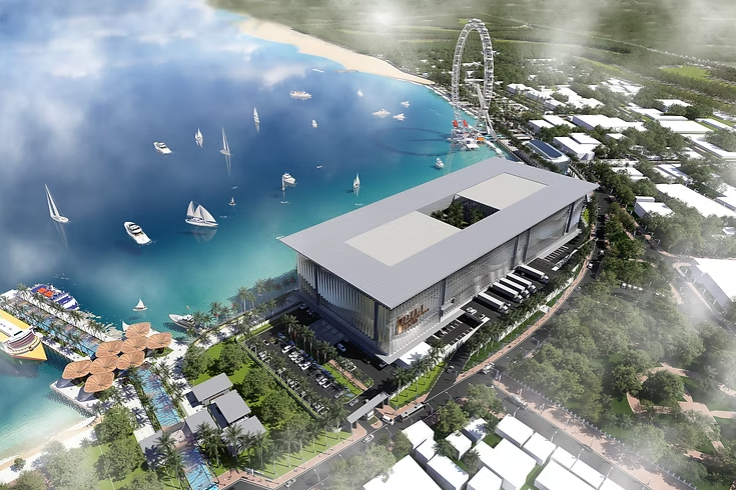
5-Year Infrastructure Dividend Continues to Unleash (CAMBODIA) According to the latest data from global construction industry intelligence platforms, Cambodia's construction industry is embracing its strongest growth cycle in nearly a decade. Basic statistics for 2024-2025 show a clear upward trend: 414 newly registered construction-related investment projects were recorded in 2024 with a total investment of about $6.9 billion; in 2025, the number of projects rose to 630, with total investment exceeding $10 billion, representing a 52% year-on-year increase in project count and a 45% year-on-year rise in total investment, with foreign capital participation continuing to climb.

Thailand Mass-Transit Densification and Industrial Corridor Megaprojects Reshape Asset Pipeline

Thailand Mass-Transit Densification and Industrial Corridor Megaprojects Reshape Asset Pipeline

Thailand’s construction pipeline is shifting from speculative residential towers toward logistics-enabled, transit-adjacent, and industrial assets (THAILAND) Thailand's capital projects sector is pivoting toward heavy rail infrastructure, the expansion of the Eastern Economic Corridor (EEC), and Transit-Oriented Developments (TOD) across the Bangkok Metropolitan Region. Governed by the 20-Year National Strategy (2018–2037), the kingdom is strengthening its role as mainland Southeast Asia’s primary logistics crossroad.

Singapore Mega-Deal Volume Rebounds 49% as REITs Targets Grade-A Core Assets

Singapore Mega-Deal Volume Rebounds 49% as REITs Targets Grade-A Core Assets

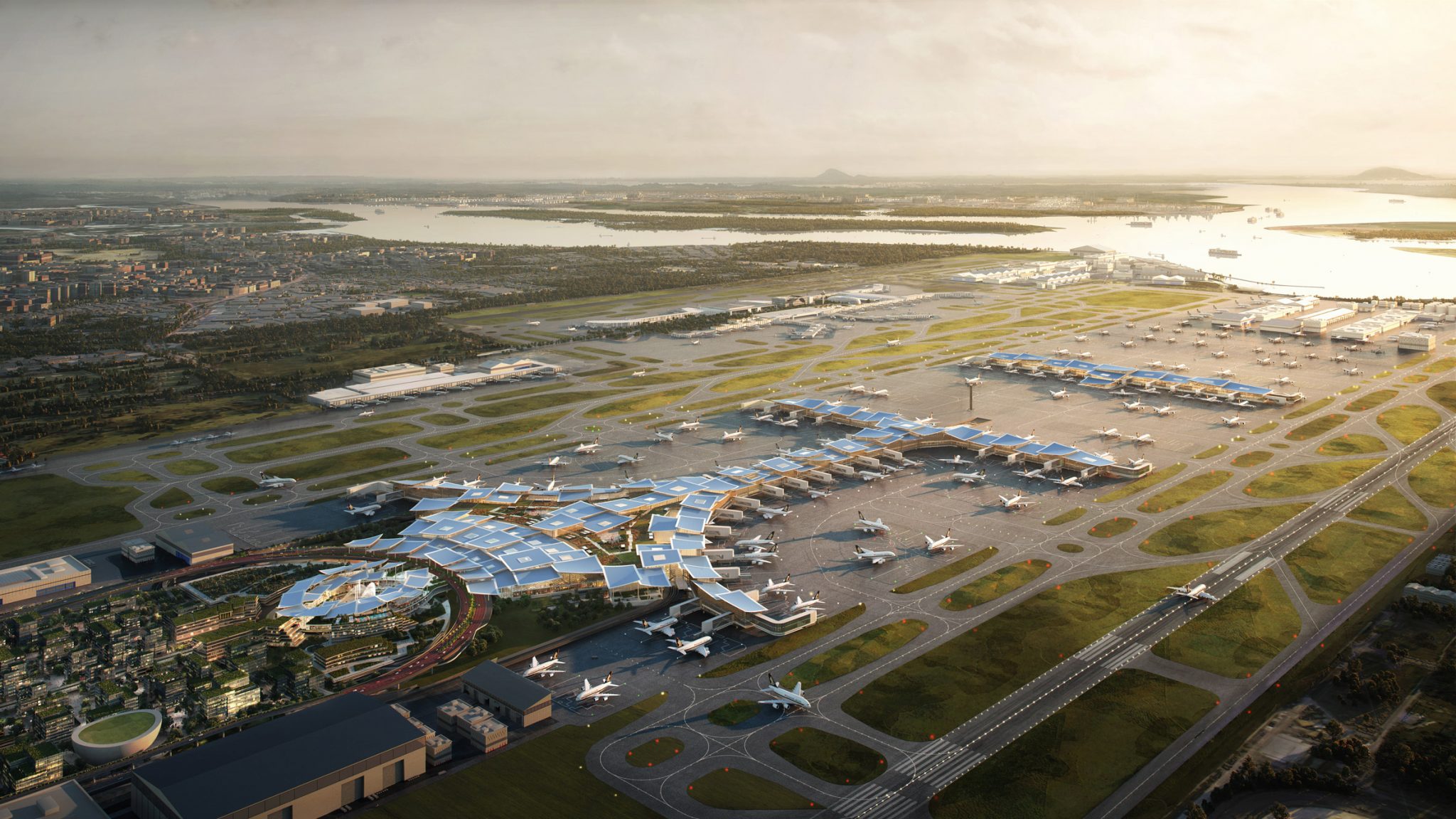
Concurrently, Singapore’s civil built environment is entering a prolonged construction supercycle (SINGAPORE) Institutional capital deployment across Singapore’s commercial real estate rebounded sharply, driven by a 49% surge in quarterly transaction activity. Sovereign wealth funds, private equity syndicates, and real estate investment trusts (REITs) are targeting prime Grade-A offices, prime mixed-use precincts, and mission-critical logistics facilities. Large-scale club deals and recapitalizations such as bidding around the US$4.4 billion valuation for Marina One mark the revival of institutional "mega-deals" supported by stabilizing interest rates and resilient yields.

Timor-Leste A$1B Infrastructure Pipeline Accelerates Ahead of Full ASEAN Accession

Timor-Leste A$1B Infrastructure Pipeline Accelerates Ahead of Full ASEAN Accession

The civil construction sector is projected to expand at a 6.4% to 7.1% CAGR through 2031 (TIMOR-LESTE) Following Timor-Leste’s milestone accession as ASEAN’s 11th member state, the government in Dili has accelerated an infrastructure pipeline exceeding A1 billion (US650M–US$700M). Guided by the Strategic Development Plan 2011–2030, the IX Constitutional Government is upgrading regulatory, transport, and customs frameworks to align with regional standards.

Myanmar Reconstruction Frameworks and Renewable Utility Assets Drive Secondary Market Rebound

Myanmar Reconstruction Frameworks and Renewable Utility Assets Drive Secondary Market Rebound

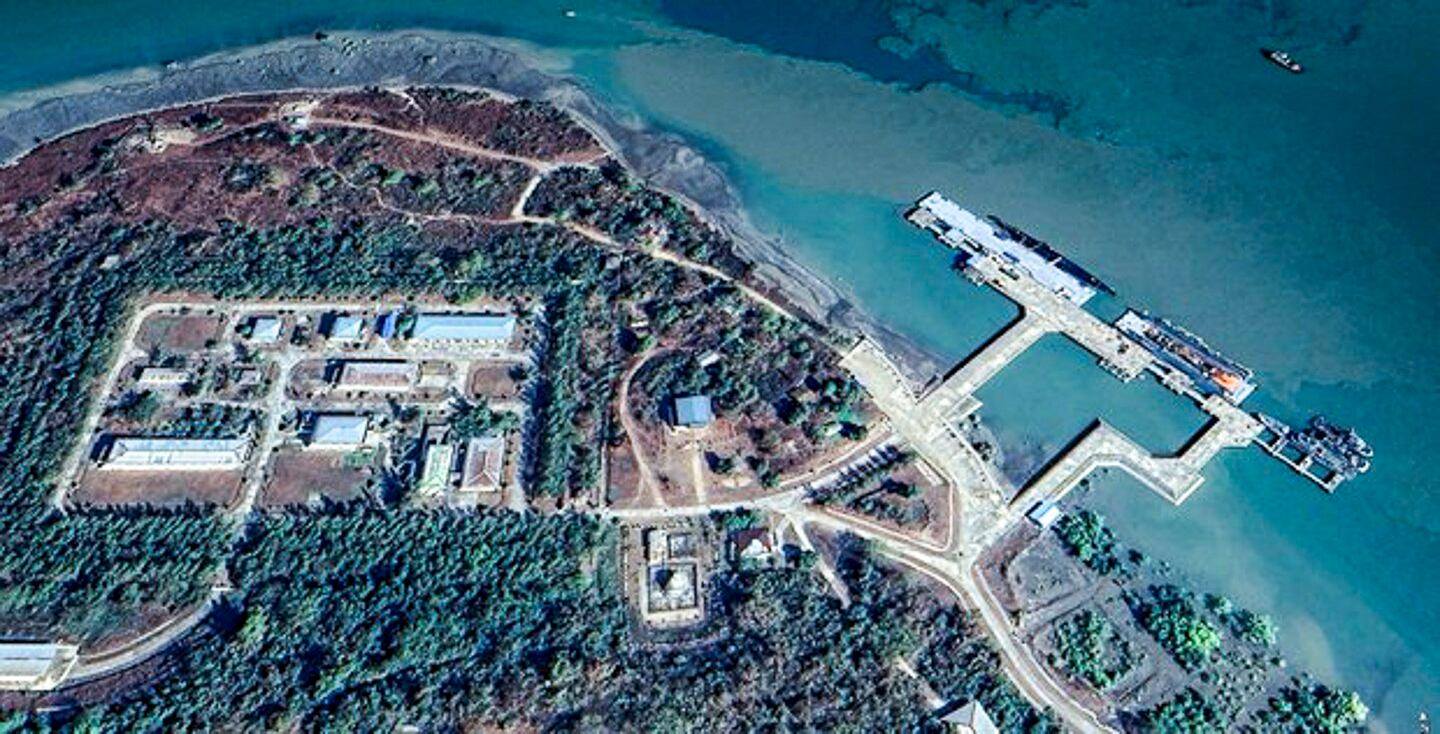
Permitted annual FDI under the Myanmar Investment Commission (MIC) ranges between US600 million and US850 million. (MYANMAR) Myanmar’s infrastructure and real estate sectors are operating in an uneven operational landscape defined by selective regional stabilization, emergency civil rehabilitation, and bilateral corridor diplomacy. While national economic expansion faces constraints from foreign-exchange controls and sanctions, capital works have anchored around two primary areas: localized post-conflict reconstruction across stable urban perimeters, and power-utility generation backed by Chinese, Russian, and regional private equity.